
What To Avoid When Renovating A Bathroom: Essential Mistakes Homeowners Should Know
Why Bathroom Renovation Mistakes Are So Costly
Bathroom renovations are often more complicated than homeowners expect. Unlike many other rooms in a home, bathrooms combine multiple technical systems into one relatively small space. Plumbing, waterproofing, ventilation, lighting, electrical work, storage planning, tile installation, and moisture control all need to work together properly for the bathroom to function safely and efficiently. Even a small mistake during the remodeling process can lead to expensive repairs, water damage, mold growth, poor functionality, or long-term maintenance problems.

One of the biggest bathroom renovation mistakes homeowners make is underestimating how interconnected these systems are. For example, choosing the wrong materials can lead to moisture damage, while poor ventilation can create mold and mildew issues over time. Improper waterproofing or rushed plumbing work may not show problems immediately, but leaks hidden behind walls or under flooring can become extremely costly later. Lighting mistakes can also affect how practical and comfortable the bathroom feels every day.
This is why following professional bathroom renovation advice before starting any project is so important. Careful planning, realistic budgeting, proper material selection, and hiring experienced professionals can help homeowners avoid common pitfalls in bathroom renovation. Taking the time to plan correctly from the beginning often saves money, prevents delays, and leads to a bathroom that is both beautiful and functional for years to come.
Avoid Starting Without A Realistic Budget
One of the most common mistakes in bathroom renovation is beginning the project without a realistic and detailed budget. Many homeowners focus heavily on design inspiration and product selections before fully understanding how quickly renovation costs can add up.
A bathroom remodel involves far more than simply replacing tile or installing a new vanity. Costs can include demolition, plumbing updates, electrical work, waterproofing, flooring, lighting, cabinetry, countertops, permits, labor, ventilation upgrades, painting, and finishing materials. Even smaller details such as mirrors, hardware, towel bars, and accessories can significantly affect the final price.

Without a clear financial plan, homeowners often run into difficult decisions midway through the renovation. Some may be forced to downgrade materials, delay parts of the project, or cut corners on essential work like waterproofing or ventilation. These shortcuts can eventually lead to expensive repairs and long-term problems. Proper bathroom renovation advice always starts with understanding the full scope of the remodel before construction begins.
It is also important to prepare for unexpected expenses. Once walls, floors, or plumbing systems are opened up, contractors may discover hidden water damage, mold, outdated wiring, or plumbing issues that were impossible to see beforehand. According to renovation guidance from Houzz, homeowners should build an additional financial cushion into their renovation budget to handle these surprise costs.
Many professionals recommend setting aside at least 10–20% beyond the estimated renovation total for unforeseen issues.
Creating a realistic budget early helps homeowners prioritize spending, avoid unnecessary stress, and make smarter decisions throughout the remodeling process.
Do Not Forget A Contingency Fund
Even with careful planning, unexpected costs are extremely common during a bathroom renovation. Once contractors begin demolition, hidden problems such as water damage, mold, leaking pipes, outdated plumbing, poor ventilation, or electrical code violations may be uncovered behind walls or under flooring. Without extra funds available, these surprises can quickly stall the project and create unnecessary stress.
Setting aside a contingency fund of at least 10–20% of the total renovation budget helps homeowners handle unexpected expenses without making rushed decisions or cutting corners. A financial cushion also prevents unfinished work, delays in construction, or the need to choose lower-quality materials simply to stay within budget. One of the best Bathroom Renovation Tips is to prepare for surprises before the project even begins.

Avoid Poor Planning And Rushed Design Decisions
Poor planning is one of the biggest bathroom renovation pitfalls homeowners face. Many people get excited about selecting tile, paint colors, or trendy fixtures before fully thinking through how the bathroom will function on a daily basis. However, a successful remodel depends heavily on proper layout planning, plumbing placement, electrical design, storage solutions, ventilation, drainage, and overall usability.
One of the most important things to avoid when renovating a bathroom is making rushed design decisions without evaluating the existing structure and limitations of the space. Moving plumbing lines, relocating drains, changing toilet locations, or repositioning showers can dramatically increase costs and complexity if they are not planned carefully from the beginning. Electrical outlets, lighting switches, vanity placement, and ventilation systems also need to be mapped out properly to ensure the bathroom functions efficiently and safely.
Storage is another area homeowners frequently overlook during the planning stage. Without enough cabinetry, shelving, drawers, or shower niches, even a beautiful bathroom can quickly become cluttered and inconvenient to use. Proper drainage slopes, waterproofing details, and shower placement are equally important because small installation mistakes can lead to standing water, leaks, or mold problems later.
Detailed planning also helps ensure the renovation meets local building and safety codes. Carter quality plumbing emphasizes that homeowners should carefully design the bathroom before construction begins to avoid costly modifications later in the project. Taking the time to properly plan every detail helps homeowners avoid common pitfalls in bathroom renovation while creating a space that is practical, durable, and visually appealing.
Do Not Ignore Function For Looks
A bathroom may look beautiful in photos, but that does not automatically make it functional for everyday use. One of the most common mistakes when renovating a bathroom is prioritizing appearance over practicality. Stylish finishes, trendy fixtures, and luxury materials can quickly lose their appeal if the bathroom feels cramped, poorly lit, or difficult to use.
Insufficient counter space, tight walkways, limited storage, poor lighting placement, and awkward fixture spacing can all affect comfort and usability. Homeowners should also think about accessibility, especially for long-term use. Features such as easy-to-reach storage, proper vanity height, walk-in showers, and adequate clearance around fixtures can make a major difference in how the bathroom functions over time.
The best bathroom renovations balance both design and practicality. A well-designed bathroom should not only look attractive but also feel comfortable, organized, efficient, and easy to maintain every day.
Avoid Choosing The Wrong Materials

Choosing the wrong materials is one of the most overlooked yet expensive bathroom renovation mistakes homeowners can make. Bathrooms experience constant exposure to moisture, humidity, temperature changes, SOAP residue, and daily wear, which means every material used in the space needs to be durable, water-resistant, and easy to maintain. While some materials may look beautiful in a showroom or online photo, they may not perform well in a real bathroom environment over time.
One of the biggest things to avoid in bathroom renovation is installing slippery flooring materials that become dangerous when wet. Highly polished tile or glossy stone can increase the risk of slips and falls, especially in family bathrooms or homes with children and older adults. Homeowners should instead look for flooring with proper texture and slip resistance.
Another common issue is choosing high-maintenance natural stone without understanding the upkeep involved. Materials such as marble or travertine can stain, scratch, and absorb moisture if not sealed and maintained properly. Reece builders points out that bathroom materials should not only look attractive but also be practical, durable, and suitable for moisture-heavy environments.
Cheap fixtures and low-quality vanities are also major bathroom renovation pitfalls. Poorly made cabinetry may swell or warp from humidity, while inexpensive faucets and plumbing fixtures can wear out quickly or develop leaks. Moisture-sensitive materials like untreated wood, low-grade laminate, or poorly sealed surfaces often deteriorate faster in bathrooms than in other parts of the home.
Choosing durable, water-resistant, and functional materials from the beginning helps homeowners avoid costly repairs, maintenance headaches, and premature replacements later on.
Do Not Pick Finishes Based Only On Trends
Trendy bathroom finishes may look appealing today, but design trends can change very quickly. One of the most important bathroom renovation tips is to avoid making major design decisions solely based on what is currently popular on social media or in magazines. Extremely bold colors, unusual tile patterns, or overly trendy fixtures may feel outdated within just a few years.
Timeless finishes such as neutral tile, classic cabinetry styles, simple hardware, and balanced color palettes often age much better and remain visually appealing longer. Choosing classic materials and versatile finishes can also improve resale value because future buyers are more likely to appreciate a bathroom with broad, lasting appeal rather than highly personalized design trends.
Avoid Cutting Corners On Waterproofing, Plumbing, And Electrical Work

One of the biggest things to avoid when renovating a bathroom is cutting corners on critical systems such as waterproofing, plumbing, and electrical work. While homeowners may be tempted to reduce costs by taking shortcuts or hiring the cheapest contractor available, poor workmanship in these areas can lead to serious and extremely expensive problems later. Unlike cosmetic mistakes, issues involving water or electricity can damage the structure of the home and create long-term safety concerns.
Waterproofing is especially important in bathrooms because moisture constantly surrounds showers, tubs, sinks, and flooring. Improper waterproofing behind tile or around wet areas can allow water to slowly seep into walls, subfloors, and framing. Over time, this hidden moisture can lead to mold growth, wood rot, peeling paint, structural damage, and major repair costs. Houzz specifically warns homeowners against poor-quality work and finishes during bathroom remodels, especially when it comes to waterproofing systems.
DIY plumbing work is another common bathroom renovation mistake. While minor cosmetic upgrades may be manageable for some homeowners, relocating plumbing lines, installing shower systems, or modifying drainage requires proper expertise. Incorrect plumbing installations can lead to leaks, low water pressure, poor drainage, and hidden water damage behind walls or beneath flooring.
Electrical work also requires careful attention during a bathroom renovation. Bathrooms are high-moisture environments, meaning outlets, lighting, exhaust fans, and electrical wiring must meet specific safety and code requirements. Poor electrical work increases the risk of short circuits, fire hazards, and unsafe conditions.
Choosing unqualified labor or prioritizing the lowest bid instead of quality often creates more expenses in the long run. One of the best bathroom renovation tips is to invest in skilled professionals and quality workmanship from the start to avoid major problems later.
Do Not Treat Professional Help As Optional
Professional help is one of the most important investments in a successful bathroom renovation. Licensed plumbers, electricians, waterproofing specialists, and experienced contractors understand how to properly install systems that meet building codes and perform safely over time. Their expertise helps prevent many common mistakes in bathroom renovation before they happen.
Hiring qualified professionals can reduce the risk of leaks, water damage, drainage issues, mold growth, electrical hazards, and failed inspections. Professionals can also identify hidden problems early, recommend better solutions, and ensure that waterproofing and plumbing systems are installed correctly behind the walls where future repairs would be far more expensive.

While professional labor may increase upfront costs, it often saves homeowners significant money, stress, and repair expenses in the long term.
Avoid Overlooking Ventilation And Moisture Control
Proper ventilation is one of the most important bathroom renovation tips because bathrooms naturally generate large amounts of moisture every day. Hot showers, steam, humidity, and standing water can quickly create problems if the bathroom does not have adequate Airflow. One of the most common mistakes in bathroom renovation is focusing heavily on finishes and design while overlooking the importance of moisture control behind the scenes.
Without proper ventilation, moisture can become trapped inside the bathroom, leading to condensation on mirrors, walls, ceilings, and windows. Over time, this excess humidity can contribute to mold growth, mildew buildup, peeling paint, warped cabinetry, damaged drywall, and even structural deterioration. Bathrooms with poor ventilation may also develop persistent odors and poor air quality.
Carter quality plumbing emphasizes that proper ventilation helps prevent moisture buildup, mold growth, and water damage during and after a bathroom remodel. Moisture control is especially important in bathrooms with enclosed showers, limited airflow, or no exterior windows.
Ventilation should be considered early in the planning process to ensure the bathroom has the proper exhaust system for the size of the space. Investing in quality ventilation not only protects the appearance of the bathroom but also helps extend the life of flooring, cabinetry, paint, and fixtures. One of the best ways to avoid common pitfalls in bathroom renovation is to treat moisture control as a necessity rather than an afterthought.
Do Not Assume A Window Is Enough
Many homeowners assume that having a window provides enough ventilation for a bathroom, but this is often not the case. While windows can help with Airflow, they usually cannot remove moisture quickly or consistently enough to fully control humidity after showers or baths.
An appropriately sized exhaust fan is strongly recommended, especially in bathrooms with tubs, walk-in showers, or limited natural Airflow. Exhaust fans help pull humid air out of the room before moisture can settle onto walls, ceilings, and fixtures. Choosing a fan that matches the bathroom’s square footage and using it regularly can significantly reduce the risk of mold, mildew, and long-term moisture damage.
Avoid Bad Lighting Choices
Lighting plays a major role in both the appearance and functionality of a bathroom, yet it is one of the most overlooked bathroom renovation pitfalls. Poor lighting can make even a beautifully renovated bathroom feel uncomfortable, impractical, or visually unappealing. One of the most important do’s and don’ts of bathroom renovations is understanding that bathroom lighting should support both everyday tasks and overall ambiance.
Some builders recommends balanced lighting that combines task lighting with overhead lighting to improve both function and appearance. Bathrooms require different types of lighting for different purposes. Bright task lighting near mirrors is essential for shaving, makeup application, grooming, and skincare routines, while softer ambient lighting can help create a more relaxing atmosphere.
One of the most common mistakes when renovating a bathroom is placing all lighting in the center of the ceiling. This often creates shadows around the face and leaves important areas underlit. Poor lighting placement can also make the bathroom feel smaller, darker, and less inviting.
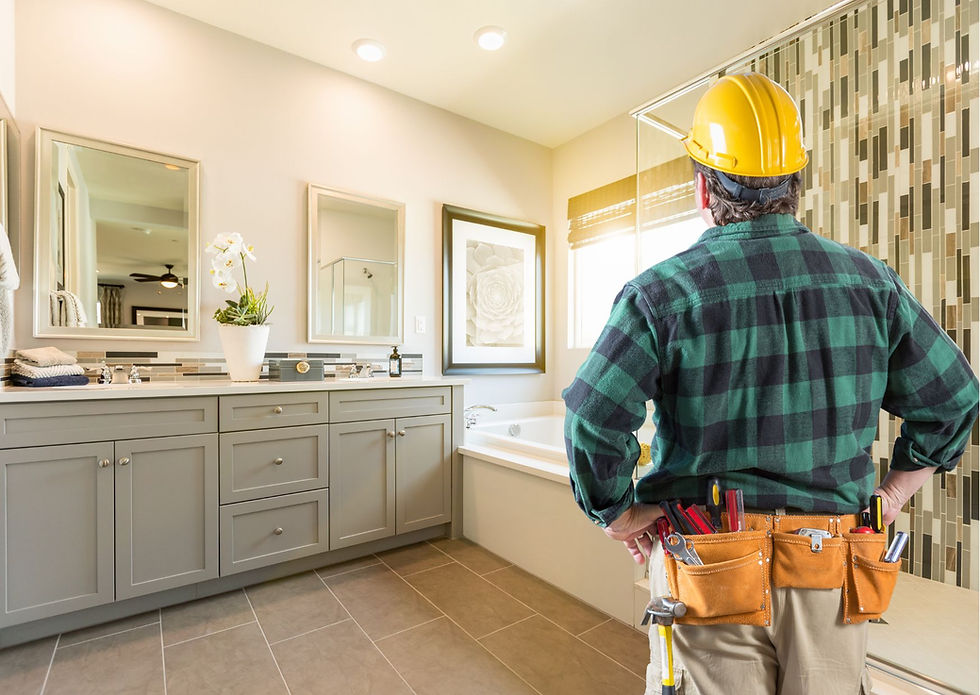
Homeowners should also consider natural light, fixture placement, color temperature, and moisture-rated lighting products when designing the space. Proper lighting can enhance tile textures, improve visibility, increase comfort, and make the bathroom feel larger and more luxurious. Thoughtful lighting design is one of the most valuable bathroom renovation tips for creating a bathroom that looks beautiful and functions well every day.
Do Not Rely On One Overhead Light
Relying on a single overhead light is one of the most common bathroom lighting mistakes. While overhead lighting provides general illumination, it often creates harsh shadows and uneven lighting throughout the space.
A better approach is layered lighting, which combines multiple light sources for both functionality and comfort. Vanity lighting beside or above mirrors improves visibility for grooming tasks, while shower lighting can brighten darker wet areas safely. Dimmers also allow homeowners to adjust brightness levels depending on the time of day or desired atmosphere.
Layered lighting helps create a bathroom that feels brighter, more balanced, and more comfortable to use daily.
Avoid Forgetting Storage
One of the most common mistakes when renovating a bathroom is focusing so heavily on aesthetics that storage becomes an afterthought. A bathroom may look clean and modern immediately after renovation, but without enough practical storage, clutter can quickly take over the space. Towels, toiletries, hair tools, medicine, skincare products, toilet paper, cleaning supplies, and everyday essentials all need a designated place to keep the bathroom functional and organized.
Houzz emphasizes that good bathroom storage is essential for helping the room stay clean, uncluttered, and easy to use. Many homeowners underestimate how much storage they actually need until they begin using the space daily. Small vanities with limited drawers, missing linen storage, or a lack of shower shelving can create frustration very quickly.
One of the best bathroom renovation tips is to think carefully about both visible and hidden storage during the planning phase. Drawers, built-in shelving, recessed medicine cabinets, shower niches, vanity organizers, and vertical storage solutions can all improve functionality without making the bathroom feel crowded. Storage should also be customized based on how many people use the bathroom and what items need to be stored regularly.
Poor storage planning not only affects organization but can also impact the overall appearance of the bathroom. Countertops crowded with products and overflowing cabinets can make even a newly renovated bathroom feel messy and cramped. Proper storage design helps maintain a cleaner, more relaxing, and more efficient space long after the renovation is complete.
Avoid Replacing Everything Without Evaluating What Can Stay
One of the most overlooked improvements to avoid in bathroom renovations is unnecessary demolition and replacing items that are still in good condition. Many homeowners assume a successful remodel requires tearing out everything and starting completely from scratch, but this approach can significantly increase costs, waste materials, and extend construction timelines without always improving the final result.
Houzz recommends evaluating which bathroom features can be refreshed, repaired, or updated instead of automatically replaced. For example, an existing vanity may only need new paint, updated hardware, or a modern countertop to look completely refreshed. Bathtubs, mirrors, cabinetry, and fixtures that remain structurally sound can often be refinished or upgraded rather than removed entirely.
One of the smartest bathroom renovation tips is to prioritize replacements based on necessity rather than appearance alone. Plumbing issues, water damage, failing materials, or outdated layouts may justify full replacement, but cosmetic changes can sometimes achieve a dramatic transformation at a much lower cost. Reusing certain elements can also help homeowners allocate more of their budget toward important upgrades like waterproofing, ventilation, lighting, or higher-quality finishes.
Avoiding unnecessary demolition can also reduce labor costs, construction debris, and project delays. A thoughtful renovation focuses on improving the bathroom strategically rather than replacing everything simply for the sake of change.
Avoid Ignoring Resale Value
A bathroom remodel should reflect the homeowner’s personal style and daily needs, but it should also make sense from a long-term resale perspective. One of the most common mistakes in bathroom renovation is designing the space so specifically around personal preferences that it becomes less appealing to future buyers. While highly customized features may seem exciting in the moment, they can sometimes limit the bathroom’s broader appeal later.

Reece builders notes that timeless design choices and modern features can help support a home’s resale potential. Neutral color palettes, durable materials, practical layouts, quality lighting, and functional storage tend to attract a wider range of buyers because they feel clean, modern, and easy to personalize. Features such as walk-in showers, double vanities, efficient lighting, and updated fixtures are often viewed as valuable upgrades that improve both comfort and marketability.
One of the best bathroom renovation tips is finding a balance between personal taste and timeless design. Extremely bold tile patterns, unusual fixtures, or overly trendy finishes may feel outdated faster and could require future buyers to renovate again shortly after purchasing the home. Homeowners should also consider how long they plan to stay in the property when making design decisions.
A well-planned bathroom renovation should improve everyday living while still adding long-term value to the home. Prioritizing quality, functionality, and timeless appeal can help homeowners enjoy the space now while protecting future resale opportunities.
Best Practices For Bathroom Renovation
The best way to avoid common pitfalls in bathroom renovation is to approach the project with careful planning, realistic expectations, and a focus on long-term functionality. Bathroom renovations involve many moving parts, and even small mistakes can become expensive problems if they are overlooked early in the process. Following proven best practices for bathroom renovation helps create a space that is attractive, durable, comfortable, and practical for everyday use.
One of the most important bathroom renovation tips is to begin with a detailed plan before any demolition or purchasing starts. Homeowners should establish a realistic budget that includes materials, labor, permits, fixtures, and a contingency fund for unexpected expenses. Planning ahead also helps avoid rushed design decisions that can negatively affect layout, storage, lighting, or functionality.
Hiring qualified professionals for plumbing, electrical work, and waterproofing is another critical step. Cutting corners on technical work often leads to leaks, mold, water damage, or costly repairs later. Choosing moisture-resistant materials, durable finishes, and properly rated bathroom fixtures can also improve the longevity of the remodel.
Proper ventilation should never be overlooked, as moisture control plays a major role in preventing mold and protecting surfaces over time. Layered lighting, functional storage solutions, and thoughtful layout planning also contribute to a bathroom that feels both visually appealing and easy to use daily.
Finally, homeowners should avoid replacing everything unnecessarily. Refreshing or refinishing items that are still in good condition can save money while still delivering a major visual upgrade. The most successful bathroom renovations balance style, comfort, practicality, and long-term value.
Conclusion
Understanding what to avoid when renovating a bathroom can help homeowners save significant time, money, and frustration throughout the remodeling process. Many bathroom renovation mistakes happen because projects begin with rushed decisions, unrealistic budgets, poor planning, or a focus on appearance without considering long-term functionality. While a bathroom remodel can dramatically improve comfort, style, and home value, overlooking important details such as ventilation, waterproofing, storage, lighting, and material quality can lead to expensive repairs and disappointing results later.
Avoid common pitfalls in bathroom renovation by taking the time to carefully evaluate the layout, establish a realistic budget, choose moisture-resistant materials, and invest in qualified professionals for plumbing, electrical, and waterproofing work. Homeowners should also prioritize proper ventilation, practical storage, balanced lighting, and durable finishes that can perform well for years to come.
The most successful bathroom renovations are not simply focused on trends or aesthetics alone. They combine beauty, comfort, functionality, and long-term value into one well-planned space. By following proven best practices for bathroom renovation, homeowners can create a bathroom that not only looks great but also functions efficiently and remains enjoyable well into the future.

FAQ Section
What should I avoid in a bathroom remodel?
One of the biggest things to avoid when renovating a bathroom is rushing into the project without a clear plan. Many homeowners focus heavily on visual inspiration before thinking about layout, plumbing, ventilation, storage, or long-term functionality. You should avoid skipping the budgeting phase, choosing low-quality materials, cutting corners on waterproofing, and hiring unqualified contractors simply to save money upfront.
It is also important to avoid poor ventilation and weak lighting design, as both can negatively affect comfort, moisture control, and everyday usability. Bathrooms need durable, moisture-resistant materials and enough storage to stay functional and organized over time. Careful planning and professional bathroom renovation advice can help prevent expensive problems later.
What are the most common bathroom renovation mistakes?
The most common bathroom renovation mistakes include poor planning, unrealistic budgets, inadequate ventilation, bad lighting placement, low-quality materials, and hiring inexperienced contractors. Many homeowners also underestimate how important waterproofing and plumbing work are during a remodel.
Another frequent issue is prioritizing aesthetics over functionality. A bathroom may look beautiful but still fail if it lacks proper storage, counter space, lighting, or efficient layout flow. Overspending on trendy finishes while neglecting practical upgrades like ventilation or waterproofing is another common problem.
Bathroom renovation pitfalls often happen when homeowners rush decisions or make major changes after construction has already started. Proper preparation and thoughtful planning can significantly reduce these risks.
How do I avoid common bathroom renovation mistakes?
The best way to avoid common pitfalls in bathroom renovation is to begin with a detailed plan before any work starts. Homeowners should create a realistic budget, establish a functional layout, and carefully select materials designed for moisture-heavy environments. Working with licensed professionals for plumbing, electrical work, and waterproofing is also extremely important.
Proper ventilation, layered lighting, and smart storage solutions should all be included in the design from the beginning rather than added later as an afterthought. It is also helpful to leave room in the budget for unexpected expenses that may appear during demolition or construction.
Following proven bathroom renovation tips and taking time to carefully evaluate each design decision can help homeowners avoid costly repairs, delays, and long-term maintenance problems.
What not to do when renovating a bathroom?
One of the biggest things to avoid in bathroom renovation is starting construction without a clear design plan and budget. Homeowners should not purchase fixtures or materials before measuring the space carefully and confirming compatibility with existing plumbing and electrical systems.
It is also important not to ignore plumbing limitations, drainage requirements, or local building codes. Attempting complex plumbing or electrical work without professional experience can lead to leaks, water damage, safety hazards, and failed inspections.
Another major mistake is sacrificing waterproofing or ventilation simply to reduce costs. These systems protect the bathroom from moisture damage and mold growth, making them essential parts of any successful renovation.
What are things to avoid when remodeling a bathroom?
Homeowners should avoid trendy materials that require excessive maintenance or may quickly go out of style. Slippery flooring, cheap fixtures, low-grade cabinetry, weak ventilation systems, and poor lighting placement are all common mistakes when renovating a bathroom.
It is also important to avoid layouts that reduce functionality or make the bathroom feel cramped. Limited storage, insufficient counter space, poor fixture spacing, and awkward shower placement can negatively affect daily use. Bathrooms should be designed around comfort, practicality, and durability instead of appearance alone.
Choosing durable, moisture-resistant materials and focusing on long-term functionality can help homeowners create a bathroom that remains attractive and efficient for many years.
How can I avoid bathroom renovation pitfalls?
One of the best ways to avoid bathroom renovation pitfalls is to follow professional bathroom renovation advice throughout the planning and construction process. Homeowners should establish a realistic budget, confirm the bathroom layout carefully, and review plumbing, electrical, and ventilation requirements before work begins.
Hiring experienced professionals for technical work is also extremely important. Licensed contractors can help ensure the renovation meets safety standards, building codes, and waterproofing requirements. It is also wise to avoid making major design changes once construction has started, as late changes often increase costs and delay the project.
Careful planning, quality materials, proper ventilation, and thoughtful design choices are key parts of successful bathroom remodeling projects.


Comments